

No city on earth expresses its food culture through neighborhoods as dramatically as New York City.
Home to more than eight million residents and one of the most diverse populations in the world, the city’s culinary identity has been shaped by more than 400 years of immigration, commerce, and cultural exchange.
Unlike cities where dining scenes are concentrated in a few districts, New York’s food culture is distributed across hundreds of neighborhoods, each shaped by its residents, industries, and waves of migration.
The five boroughs—Manhattan, Brooklyn, Queens, The Bronx, and Staten Island—each developed distinct culinary identities tied to geography and immigration patterns.
This atlas explores those identities neighborhood by neighborhood.
MANHATTAN
The Historic Center of New York Dining
The borough of Manhattan is the geographic and economic heart of the city.
Originally settled by the Dutch in the 17th century as New Amsterdam, Manhattan became the gateway for millions of immigrants entering the United States through Ellis Island between 1892 and 1954.
Because new arrivals often settled in dense Manhattan neighborhoods, many of America’s most recognizable foods—including bagels, delicatessen sandwiches, and New York–style pizza—developed here.
Today Manhattan contains one of the highest concentrations of restaurants in the world.
Lower Manhattan
Lower Manhattan represents the oldest continuously inhabited part of New York City.
Its streets—many dating to the colonial era—host the city’s oldest immigrant food traditions.
Financial District
Located at the southern tip of Manhattan, the Financial District is home to New York Stock Exchange and Wall Street.
Because the area functions primarily as a global financial hub, its dining culture is shaped by office workers and international business travelers. Quick-service lunch spots, upscale business restaurants, and after-work bars dominate the local food environment.
Chinatown
The neighborhood known as Chinatown emerged in the late 19th century when Chinese immigrants settled near the Five Points district.
For decades the neighborhood was dominated by Cantonese cooking because most early immigrants came from Guangdong Province.
Today Chinatown contains one of the largest concentrations of Chinese restaurants in the Western Hemisphere and has expanded to include cuisines from Fujian, Sichuan, Shanghai, and northern China.
Food markets, bakeries, noodle shops, and dim sum halls define the neighborhood’s culinary landscape.
Little Italy
Adjacent to Chinatown lies Little Italy, once the center of Italian-American life in New York.
By the early 20th century, more than 10,000 Italian immigrants lived in the neighborhood.
Though residential populations have shifted over the decades, Italian culinary traditions—including espresso culture, pastry shops, and pasta cuisine—remain part of the neighborhood’s identity.
Lower East Side
The Lower East Side was one of the most densely populated urban districts in human history during the early 1900s.
Millions of Jewish immigrants from Eastern Europe settled here, establishing bakeries, delicatessens, pickle shops, and smoked fish markets.
Many iconic New York foods—including pastrami sandwiches and bagels with lox—trace their popularity to this neighborhood.
Today the Lower East Side blends historic culinary institutions with a thriving nightlife dining scene.
Greenwich Village and Downtown Manhattan
Greenwich Village
The historic neighborhood known as Greenwich Village became famous in the early 20th century as a center of artistic and intellectual life.
Poets, musicians, and writers—including those associated with the Beat Generation—gathered in cafés and restaurants here, creating a strong café culture that persists today.
Dining in the Village tends to emphasize intimate restaurants and neighborhood gathering places.
SoHo
The district known as SoHo was originally an industrial manufacturing zone filled with cast-iron warehouses.
During the 1960s and 1970s artists moved into the vacant loft spaces, transforming the neighborhood into a cultural hub.
Today SoHo’s dining culture reflects its status as a global fashion and art destination, with stylish cafés and upscale international cuisine.
Midtown Manhattan
The Global Crossroads of Dining
The area known as Midtown Manhattan is one of the busiest commercial districts on earth.
Home to landmarks such as the Empire State Building and Times Square, Midtown hosts millions of visitors annually.
Dining here is driven by three groups:
• office workers
• tourists
• theater audiences
Restaurants frequently emphasize speed, convenience, and international variety.
Koreatown
Located on 32nd Street near the Empire State Building, Koreatown is one of the most concentrated Korean dining districts in the United States.
Many restaurants remain open late into the night, making the neighborhood a popular destination after Broadway shows and late-night work shifts.
Korean barbecue restaurants, karaoke lounges, bakeries, and dessert cafés create a vibrant nightlife food culture.
Upper Manhattan
Harlem
The neighborhood of Harlem became the cultural center of African-American life during the Harlem Renaissance.
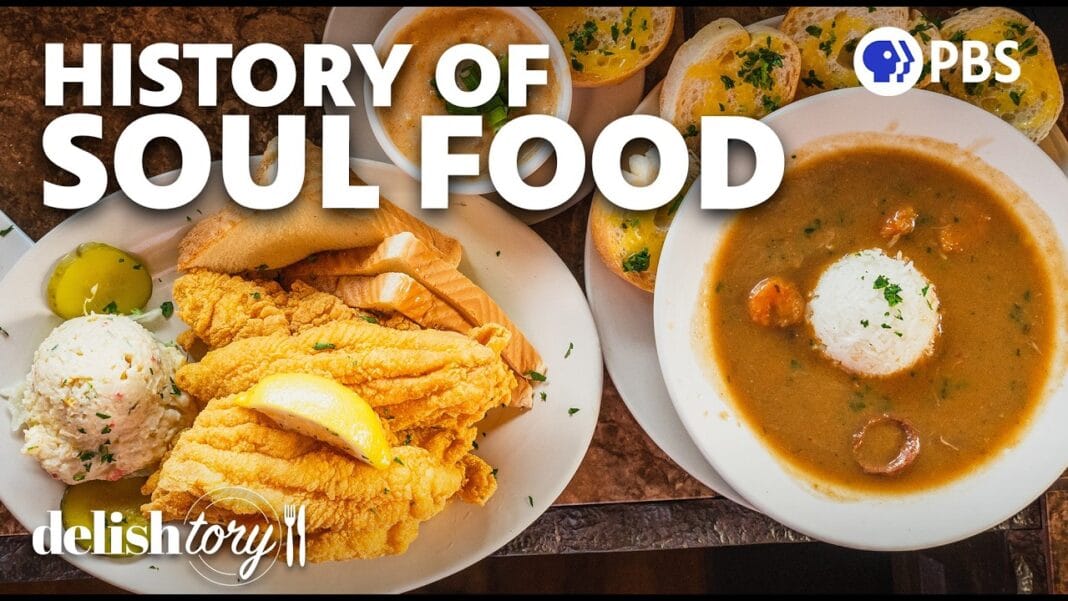
During the Great Migration, thousands of Black Americans moved from the South to Harlem, bringing Southern culinary traditions such as fried chicken, barbecue, and soul food.
Today Harlem’s dining culture also reflects Caribbean and West African communities that settled in the area during the late 20th century.
Washington Heights
Located in northern Manhattan, Washington Heights has one of the largest Dominican populations outside the Dominican Republic.
Dominican bakeries, juice bars, and casual eateries dominate the local dining scene.
Street life, music, and neighborhood festivals play a major role in shaping the area’s culinary atmosphere.
BROOKLYN
The Epicenter of Modern American Dining
The borough of Brooklyn contains more than 2.5 million residents, making it the most populous borough of New York City.
Historically a city of its own until 1898, Brooklyn developed strong immigrant communities that left lasting culinary traditions.
In recent decades Brooklyn has also become one of the most influential centers of chef-driven dining in the United States.
Williamsburg
The neighborhood known as Williamsburg sits along the East River across from Manhattan.
Originally an industrial manufacturing district, Williamsburg became a magnet for artists and musicians in the 1990s due to relatively affordable rents.
This creative influx helped turn Williamsburg into a hub for culinary experimentation, including artisanal bakeries, specialty coffee culture, and innovative international cuisine.
Greenpoint
Just north of Williamsburg lies Greenpoint, historically home to one of the largest Polish communities in the United States.
Polish bakeries, butcher shops, and traditional Eastern European food markets remain part of the neighborhood’s identity.
Bushwick
The neighborhood of Bushwick was historically an industrial manufacturing district.
Today Bushwick is known for its large outdoor mural galleries and vibrant art scene.
The creative community has helped foster a growing dining scene that blends international cuisines and experimental food concepts.
QUEENS
The Most Diverse Food Borough in America
The borough of Queens is often described as the most ethnically diverse urban area in the United States.
More than 2.3 million residents live here, representing dozens of immigrant communities.
Many cuisines that later become popular in Manhattan first appear in Queens neighborhoods.
Flushing
The neighborhood known as Flushing has grown into one of the largest Chinese communities outside Asia.
Unlike older Chinatowns dominated by Cantonese cuisine, Flushing features restaurants representing a wide variety of Chinese regional cooking styles.
Large food courts, bustling night markets, and specialty bakeries make it one of the most dynamic food districts in the city.
Jackson Heights
Located in northwestern Queens, Jackson Heights is widely considered one of the best neighborhoods in America for exploring international street food.
The area contains large communities from India, Pakistan, Bangladesh, Nepal, Colombia, Mexico, and Ecuador.
As a result, its streets feature an extraordinary range of bakeries, markets, and food vendors.
THE BRONX
The Birthplace of Iconic New York Food Traditions
The borough known as The Bronx is home to roughly 1.4 million residents and some of the city’s oldest immigrant communities.
Belmont and Arthur Avenue
The Belmont neighborhood contains Arthur Avenue, widely regarded as the historic center of Italian-American cuisine in New York.
Italian immigrants who arrived in the early 20th century built bakeries, butcher shops, and pasta markets that remain central to the neighborhood’s identity.
STATEN ISLAND
New York’s Overlooked Culinary Borough
The borough of Staten Island is geographically separated from the rest of New York City by New York Harbor.
Though it has a suburban character compared with the other boroughs, Staten Island contains strong culinary traditions rooted in Italian-American communities.
St. George
Located near the terminal of the Staten Island Ferry, St. George has become the borough’s emerging dining district.
The ferry brings thousands of commuters and tourists through the neighborhood daily, helping support new cafés and restaurants.
The Geography of Food in New York City
What makes New York’s dining culture extraordinary is its density of culinary traditions.
Within a single subway ride, diners can experience:
• Caribbean cooking in Brooklyn
• Chinese regional cuisine in Queens
• Italian culinary traditions in the Bronx
• Dominican street food in northern Manhattan
• Sri Lankan cuisine on Staten Island
Together these neighborhoods create one of the most diverse culinary landscapes on earth.
Exploring food in New York City is not just about restaurants.
It is about understanding the neighborhoods—and the communities—that built the city.